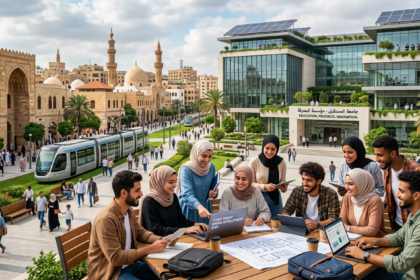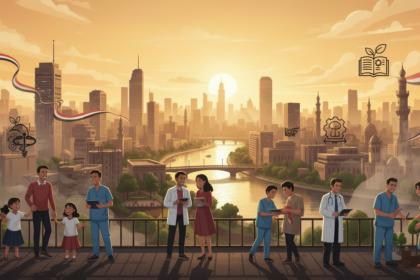


Social development trends in Arab countries are defined by a complex interplay of rapid technological adoption, ambitious national transformations (such as Saudi Vision 2030 and UAE Centennial 2071), demographic pressures, and climate vulnerabilities.
In 2026, Arab nations are prioritizing youth-led digital economies and AI integration to accelerate home-grown innovation and reduce reliance on oil. Grassroots community initiatives are reshaping urban spaces, fostering deeper civic engagement and inclusive public dialogues across the region. Simultaneously, a cultural renaissance is emerging as local creators leverage decentralized platforms to redefine modern Arab identity on global stages.
While the region is young, digitally connected, and culturally dynamic, it also faces persistent challenges regarding economic inclusion, gender equity, and governance.
By 2026, the Arab world is a region of stark contrasts. On one hand, Gulf nations and select urban hubs are testing grounds for futuristic smart cities, advanced digital economies, and progressive social reforms. On the other hand, conflict-affected and resource-poor nations are grappling with basic human security, brain drain, and climate-induced hardship.
Ultimately, the trajectory of social development in the region depends on good governance, economic diversification, and regional stability, with the region’s massive youth population acting as the ultimate catalyst for change.