

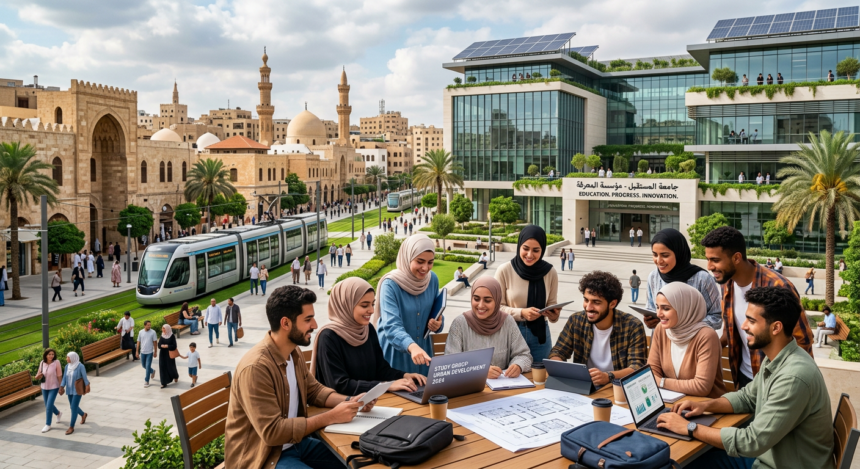
Amidst complex geopolitical and economic landscapes, social development practitioners in the Middle East and North Africa are rewriting the playbook for community resilience. Rather than relying on top-down interventions, contemporary best practices emphasize grassroots empowerment, digital inclusion, and localized capacity building. According to recent sectoral assessments by regional development networks, the most effective NGOs are those that integrate marginalized populations—particularly youth and women—into the design and execution of civic programs. By prioritizing local ownership and cultural context, these organizations are fostering sustainable economic mobility and social cohesion in areas historically overlooked by state infrastructure.
In Tunisia, where post-revolutionary democratic transitions have often been stymied by economic stagnation, civil society groups are championing digital entrepreneurship to combat soaring youth unemployment. Organizations like Flat6Labs Tunisia and various regional tech hubs have pioneered startup incubator models tailored to interior governorates, offering mentorship and seed funding to aspiring innovators. A recent report by the Ford Foundation highlighted how these initiatives bridge the regional divide between coastal prosperity and inland disenfranchisement. As noted in a 2022 policy brief by the Arab Reform Initiative, “Empowering Tunisian youth through tech-driven social enterprise not only generates jobs but actively restores faith in civic participation.”
Meanwhile, in Sudan, local NGOs are demonstrating extraordinary adaptability by delivering critical social services amid severe humanitarian crises and conflict. Grassroots resistance committees and community-based organizations (CBOs) have stepped into governance vacuums, organizing mutual-aid networks, emergency healthcare, and informal education. Despite immense logistical hurdles, these groups utilize decentralized communication channels to coordinate food distribution and psychosocial support. A publication by the Overseas Development Institute (ODI) underscored that Sudan’s localized response architecture serves as a global masterclass in humanitarian localization. “When international actors face access restrictions, Sudanese civil society proves that community-led resilience is the ultimate safety net,” the report concluded.