
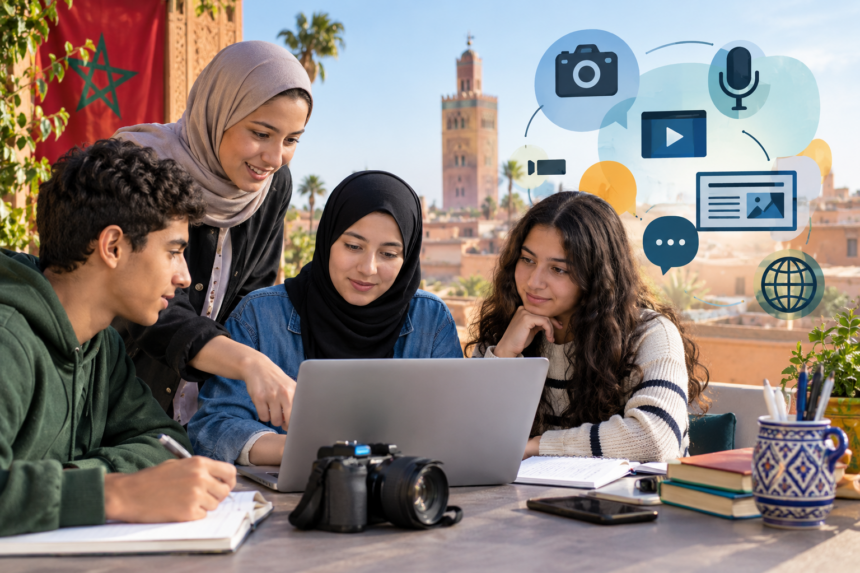
Media education in Morocco currently navigates a complex landscape defined by the rapid proliferation of digital platforms and shifting information consumption habits. While the Moroccan government and various civil society organizations have made commendable strides in integrating digital literacy into academic curricula and youth programs, the field still faces persistent disparities. Urban centers often enjoy better access to advanced technological resources and structured training, whereas rural communities frequently lag behind. Furthermore, the sheer volume of unfiltered user-generated content and misinformation circulating on social networks continuously outpaces traditional educational frameworks, leaving a significant portion of the population vulnerable to manipulation and sensationalism.
To effectively bridge these gaps and foster a more critically conscious society, Morocco must adopt a multi-pronged action plan that prioritizes inclusivity and proactive engagement. First, the Ministry of Education should standardize and modernize media literacy curricula across all regions, ensuring that rural schools receive equal funding, hardware, and teacher training. Second, nationwide public awareness campaigns must be launched through national television and digital channels to educate older demographics who are equally susceptible to digital falsehoods. Finally, fostering stronger partnerships between universities, independent journalists, and tech platforms can help establish accessible fact-checking hubs and community workshops, empowering everyday citizens to actively question, verify, and responsibly share information.