
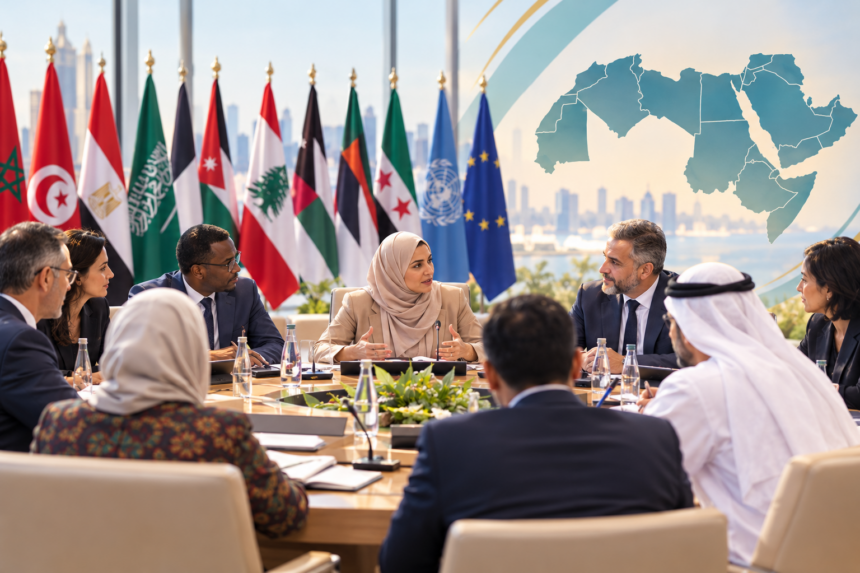
Recent developments from the meeting of Arab Ministers of Social Affairs, which was chaired by Egypt, signal a crucial shift toward a more unified and proactive regional welfare agenda. The high-level gathering has successfully prioritized pressing humanitarian challenges, notably the socio-economic fallout of regional conflicts, the protection of vulnerable demographics such as children and the elderly, and the acceleration of post-pandemic recovery. A standout achievement of the sessions is the renewed commitment to fortify social safety nets and foster cross-border cooperation, ensuring that marginalized populations receive targeted support rather than fragmented aid.
Analyzing the strategic trajectory of the meeting, the ministers’ recommendations strongly emphasize digital transformation and sustainable development as the twin pillars for future social policy in the Arab world. By advocating for inclusive economic integration and the modernization of social welfare systems, the council is moving beyond mere crisis management toward long-term resilience. If effectively implemented, these recommendations will not only bridge the development gaps within member states but also establish a robust framework for regional stability rooted in human-centric growth.